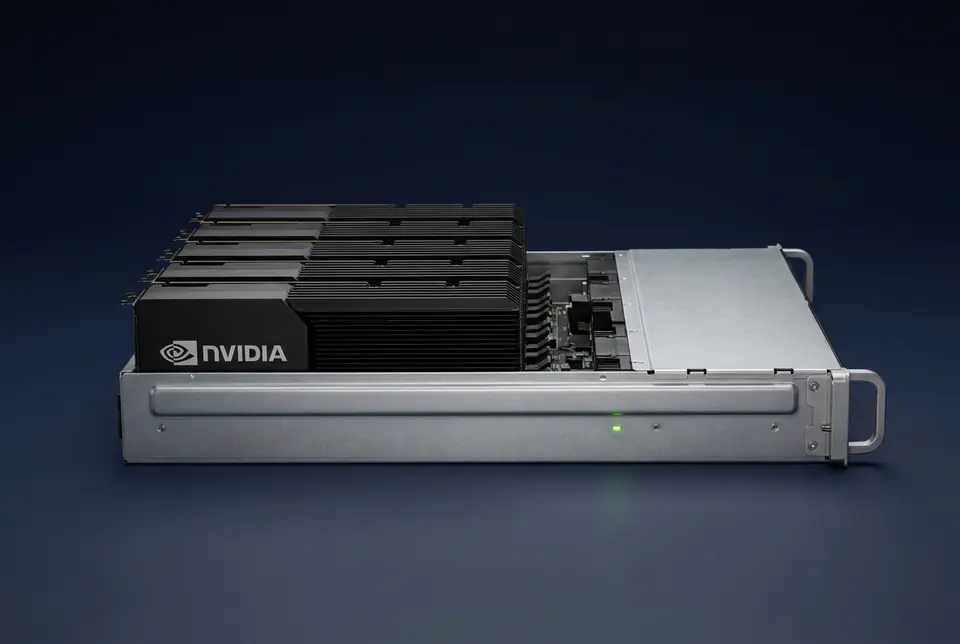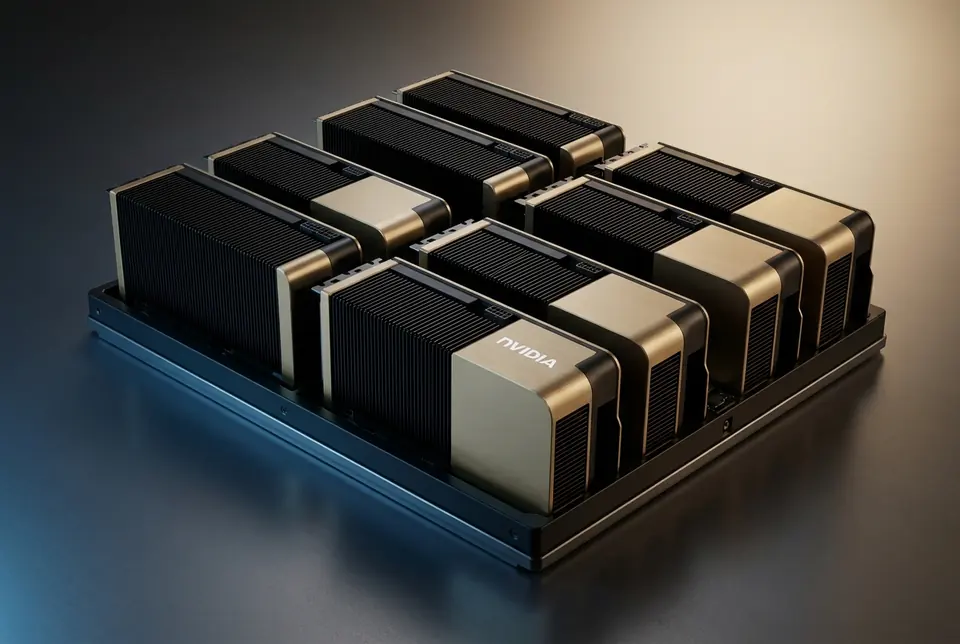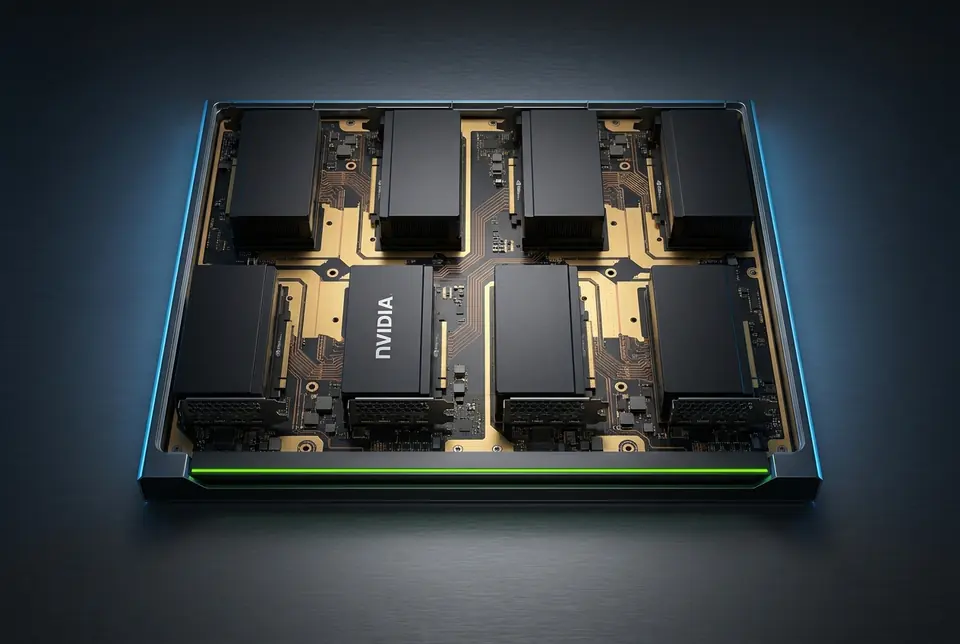

Research GPU cluster and storage array in a university data room

Higher Education & Research

Accelerate research without waiting for the queue.

Peregrine complements existing university HPC, institutional GPU clusters and cloud research environments with Australian GPU infrastructure — owned by the institution or supplied as capacity — and operates the platform layer researchers depend on, with the Slurm and Kubernetes interfaces they already know.

Infrastructure can be designed to support customer security, governance and compliance requirements. Use one service or all four.

ASSESSBUILDOPERATECAPACITY

Part 1 · Use cases

GPU workloads in higher education & research.

Network core rack with dense fibre bundles fanning into overhead trays

Use case 01

Foundation Models & AI Research

Training and adapting large models for research requires tightly coupled multi-GPU nodes and long, uninterrupted jobs.

Reserved nodes with fair-share scheduling give research groups predictable access without institutional queue times.

GPU considerations

  • Memory: high-memory GPUs for large models
  • Interconnect: NVLink HGX and high-speed fabric
  • Storage: parallel or fast shared storage
  • Data residency: Australian hosting for collaborations
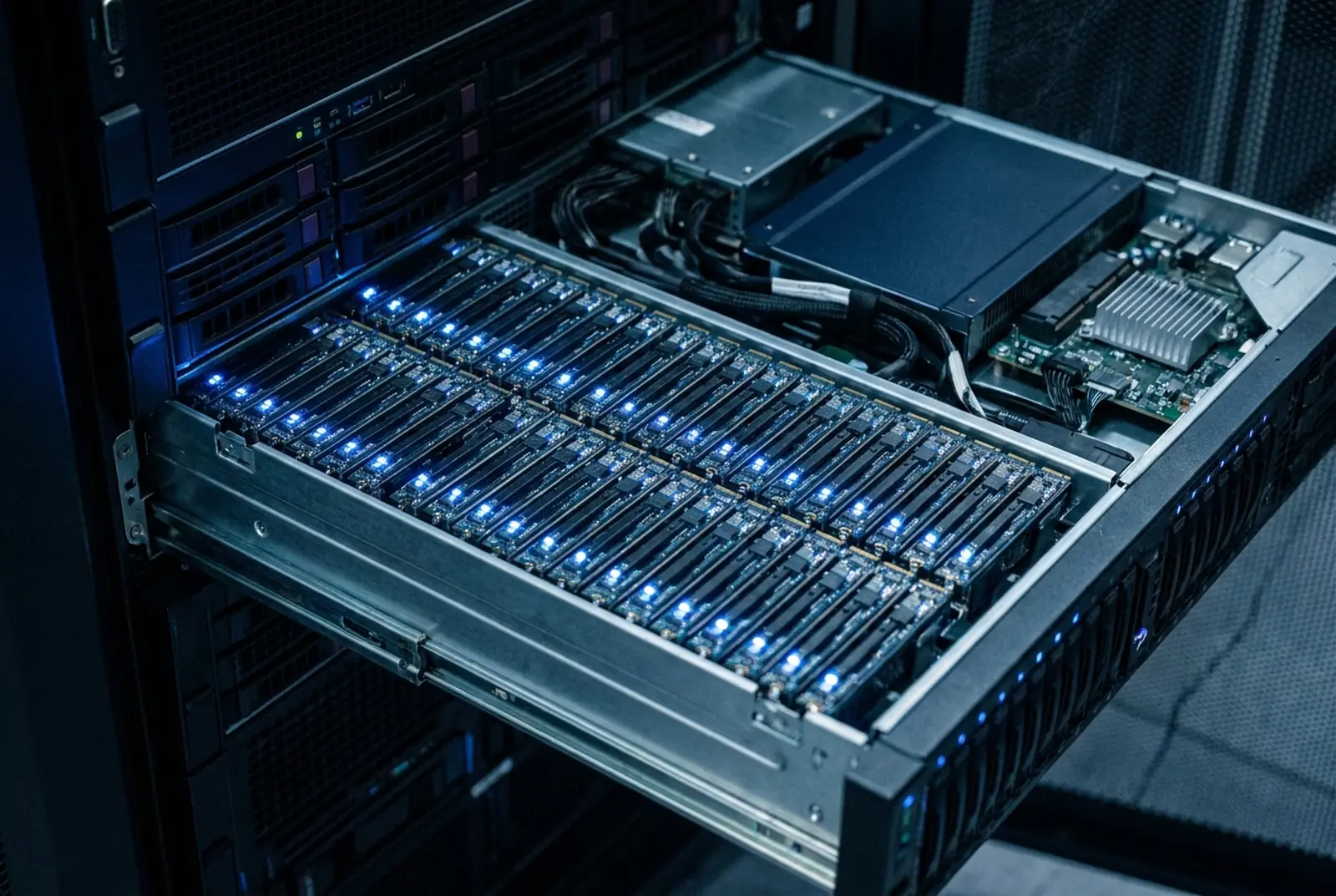
High-capacity NVMe storage drawer with blue activity LEDs

Use case 02

Scientific Computing & Simulation

GPU-accelerated numerical, climate, physics and engineering simulation workloads sit alongside AI on the same infrastructure.

Partitions and quotas let HPC and AI users share GPUs fairly.

GPU considerations

  • Memory: workload dependent
  • Interconnect: multi-node fabric for coupled solvers
  • Storage: high-throughput scratch
  • Data residency: as required by funders
DATAGPU COMPUTEMODEL / RESULT

Use case 03

Genomics, Imaging & Computer Vision

Sequence analysis, microscopy, remote sensing and medical imaging research push large datasets through GPU pipelines.

Storage throughput is sized together with GPU count in the Compute Blueprint.

GPU considerations

  • Memory: moderate to high
  • Interconnect: PCIe often sufficient
  • Storage: large archives with fast access
  • Data residency: sensitive data remains onshore
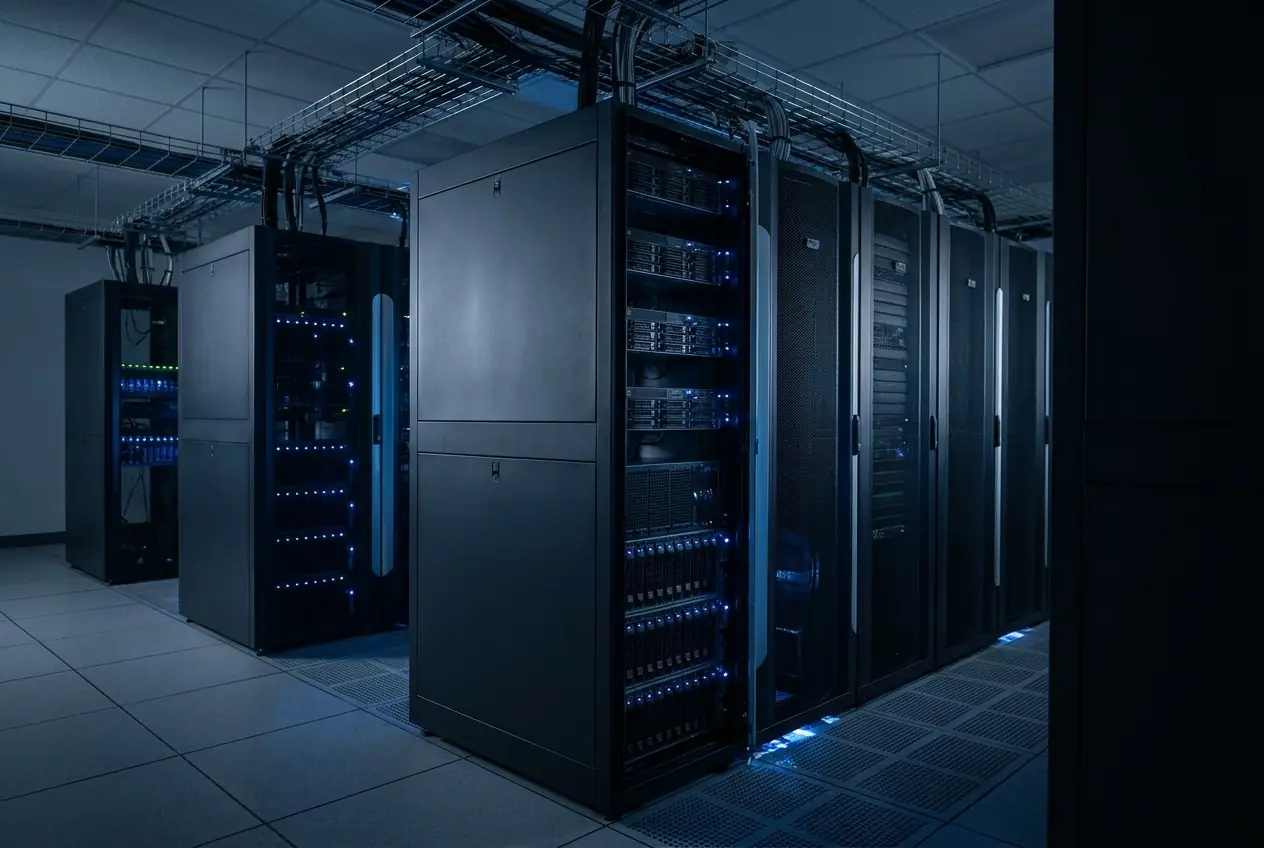
Research GPU cluster and storage array in a university data room

Use case 04

Robotics & Generative AI Research

Policy learning, simulation and generative model research are bursty around publication cycles.

Project capacity on Peregrine infrastructure complements the owned cluster when deadlines approach.

GPU considerations

  • Memory: varies
  • Interconnect: single or multi-node
  • Storage: experiment artefacts
  • Data residency: as required

Part 2 · How to deploy with Peregrine

Four ways to engage — use one or all.

  1. 01ASSESS

    Compute Blueprint

    Size the research workload mix and compare an owned cluster, Peregrine capacity and cloud research credits.

    Learn more
  2. 02BUILD

    Build GPU Infrastructure

    Design, source and commission a university-owned GPU cluster — Slurm or Kubernetes, shared storage, quotas — in your facility or an Australian data centre.

    Learn more
  3. 03OPERATE

    Managed AI Platform

    Operate the platform: multi-tenancy, grant and project-based allocation, quotas, user management and monitoring.

    Learn more
  4. 04CAPACITY

    GPU Capacity + Private AI Cloud

    Burst and project capacity on Peregrine infrastructure when the owned cluster is full or a grant needs GPUs quickly, subject to availability.

    Learn more

Recommended platforms

Platforms commonly considered for these workloads.

Indicative only; the Compute Blueprint confirms platform, interconnect and scale per project.

All GPU platforms

Infrastructure models: capital vs operating

Universities typically fund owned clusters through capital and infrastructure grants, while project capacity aligns with research grants and operating budgets. Peregrine can structure an owned build with Peregrine operating it, supplemented by reserved or project capacity — scoped per engagement, with no prices published here.

FAQ

Common questions.

Discuss Research Compute.

Tell us about your higher education & research workloads and deployment preferences. A compute specialist will discuss the appropriate infrastructure model.