GPU racks behind glass in a medical research compute room

Healthcare & Life Sciences

Sensitive data, sovereign compute, faster science.

Healthcare and life-sciences organisations run some of the most data-sensitive AI workloads in the country. Peregrine designs, builds and operates GPU infrastructure that keeps that data within Australian, dedicated infrastructure — designed with data residency and access control requirements in mind.

Infrastructure can be designed to support customer security, governance and compliance requirements. Use one service or all four.

ASSESSBUILDOPERATECAPACITY

Part 1 · Use cases

GPU workloads in healthcare & life sciences.

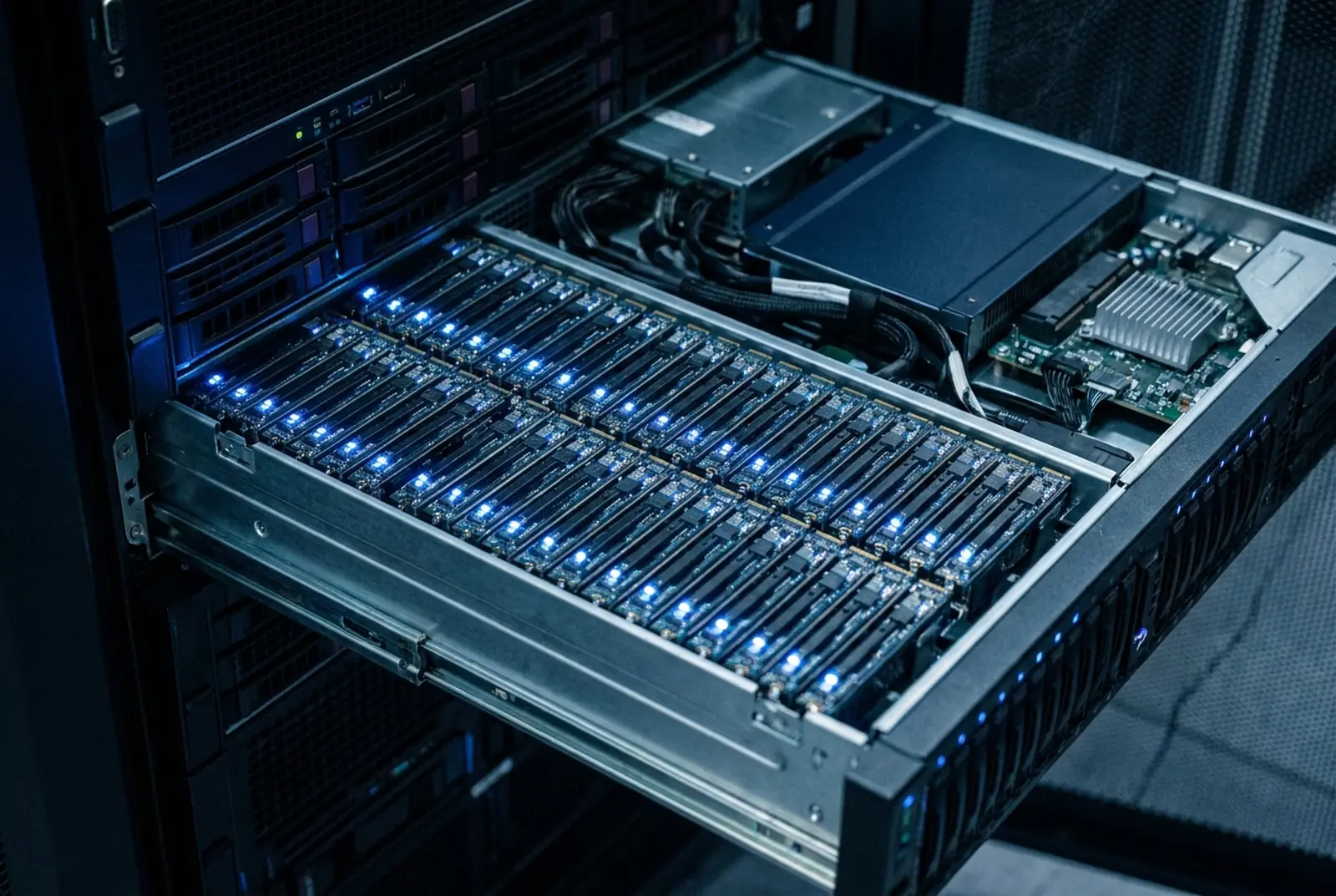
High-capacity NVMe storage drawer with blue activity LEDs

Use case 01

Drug Discovery & Molecular Simulation

Molecular dynamics, docking and generative chemistry are increasingly GPU-native. Research teams need sustained throughput for long simulations and bursts for screening campaigns.

Dedicated or reserved infrastructure keeps proprietary compound data inside controlled environments while giving chemists predictable access.

GPU considerations

  • Memory: large simulations benefit from high-memory GPUs
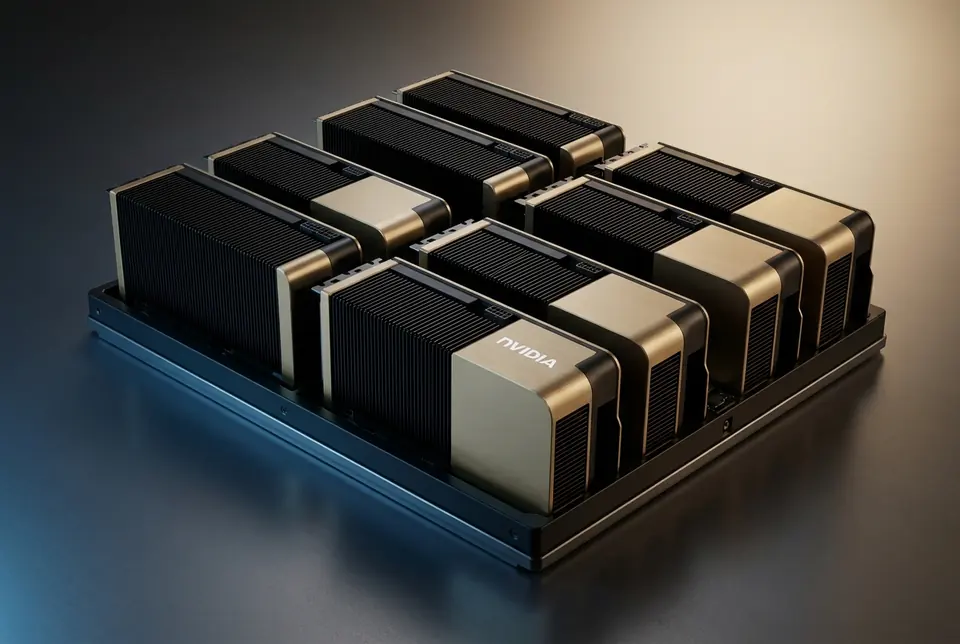
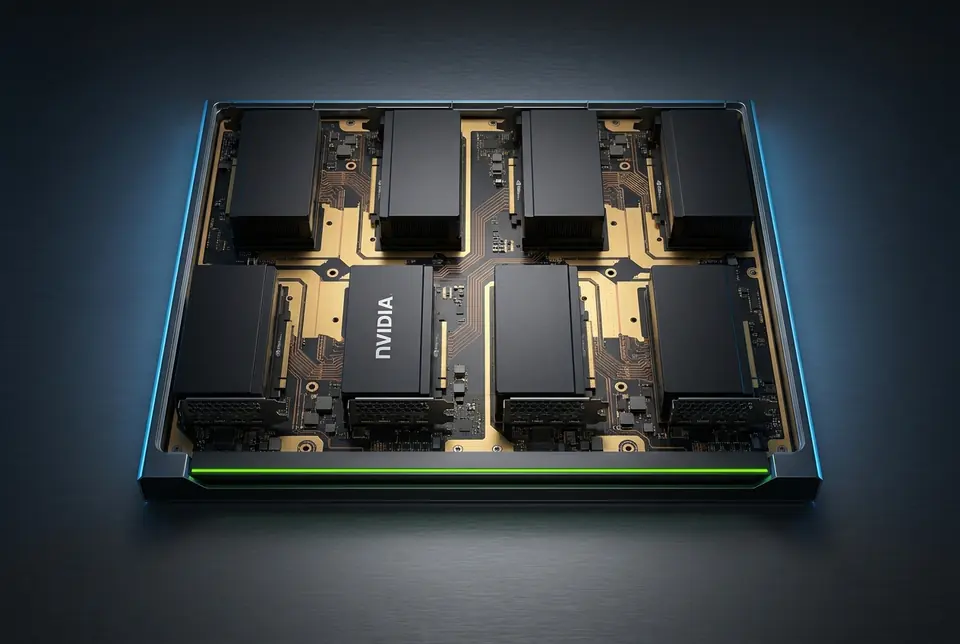
  • Interconnect: multi-GPU runs favour NVLink-coupled nodes
  • Storage: fast scratch for trajectories and checkpoints
  • Data residency: proprietary data can remain in Australia

Dedicated GPU rack behind a locked glass door with badge reader

Use case 02

Genomics & Sequencing Analysis

Alignment, variant calling and deep-learning genomics pipelines move large volumes of sequence data through GPU-accelerated stages.

Storage throughput matters as much as GPU count; the Compute Blueprint sizes both together.

GPU considerations

  • Memory: moderate per-GPU; batch pipelines scale across GPUs
  • Interconnect: PCIe platforms often sufficient
  • Storage: high-throughput shared storage for sequence data
  • Data residency: patient-derived data designed to remain onshore
DATAGPU COMPUTEMODEL / RESULT

Use case 03

Medical Imaging & Diagnostics

Radiology and pathology models are trained on large image archives and then served for inference close to clinical systems.

Training favours NVLink-coupled nodes; inference can run on PCIe platforms with predictable latency.

GPU considerations

  • Memory: whole-slide pathology benefits from high-memory GPUs
  • Interconnect: HGX for training, PCIe for inference
  • Storage: large image archives with fast access
  • Data residency: imaging data within dedicated Australian infrastructure
DATAGPU COMPUTEMODEL / RESULT

Use case 04

Clinical AI & NLP

Documentation assistants, EHR analysis and risk stratification use language models over highly sensitive records.

Private inference endpoints inside dedicated infrastructure allow clinical teams to use LLMs without sending records to shared services.

GPU considerations

  • Memory: model size determines GPU memory per endpoint
  • Interconnect: single-node inference is common
  • Storage: vector and document stores alongside models
  • Data residency: records can remain in controlled Australian environments
GPU racks behind glass in a medical research compute room

Use case 05

Protein Structure & Bioinformatics

Structure prediction and large-scale bioinformatics workloads are GPU-hungry and often bursty around publication cycles.

Reserved capacity with on-demand burst can match research rhythms without idle hardware.

GPU considerations

  • Memory: large models benefit from high-memory GPUs
  • Interconnect: multi-GPU for large structures
  • Storage: reference databases on fast shared storage
  • Data residency: Australian hosting preferred for collaborations

Part 2 · How to deploy with Peregrine

Four ways to engage — use one or all.

  1. 01ASSESS

    Compute Blueprint

    Map imaging, genomics and clinical workloads to an architecture, with residency and governance requirements documented from day one.

    Learn more
  2. 02BUILD

    Build GPU Infrastructure

    Design and commission dedicated GPU infrastructure in your facility or an Australian data centre, integrated with research and clinical networks.

    Learn more
  3. 03OPERATE

    Managed AI Platform

    Operate the platform — scheduling, private endpoints, monitoring, patching, audit logging — so research computing teams focus on science.

    Learn more
  4. 04CAPACITY

    GPU Capacity + Private AI Cloud

    Reserved or dedicated Australian-hosted capacity, or a Private AI Cloud, for programmes that need isolation without owning hardware.

    Learn more

Recommended platforms

Platforms commonly considered for these workloads.

Indicative only; the Compute Blueprint confirms platform, interconnect and scale per project.

All GPU platforms

Infrastructure models: capital vs operating

Hospitals and research institutes often fund infrastructure through capital programmes and grants, while clinical AI services suit operating budgets. Peregrine can structure an owned build (capital) for steady workloads and supplement it with reserved capacity (operating) for projects and peaks — no prices are published; models are scoped per engagement.

FAQ

Common questions.

Talk to a Compute Specialist.

Tell us about your healthcare & life sciences workloads and deployment preferences. A compute specialist will discuss the appropriate infrastructure model.